.svg)
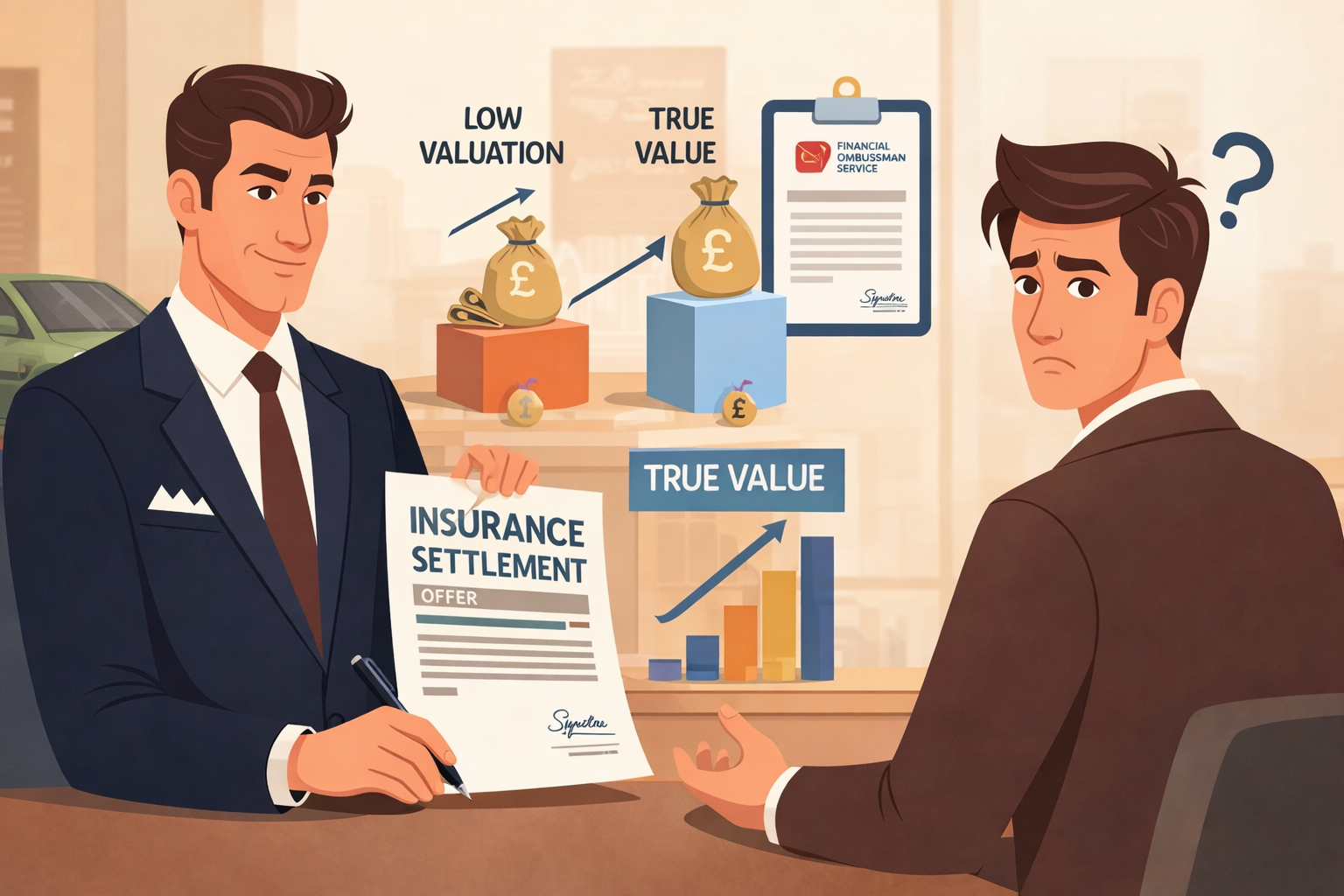

When should you challenge your payout?
You should consider challenging your settlement if:
- You can’t find a similar car for the amount offered
- Comparable vehicles are selling for more
- Your car was in better condition than assumed
- Extras or upgrades weren’t considered
👉 If the payout doesn’t reflect the true market value, it may be too low.
Step 1: Don’t accept the first offer straight away
You are not required to accept the first valuation.
Before agreeing:
- Review the settlement carefully
- Ask how the valuation was calculated
- Request supporting evidence
👉 Once accepted, it can be harder (but not impossible) to challenge.
Step 2: Gather evidence of your car’s true value
Strong evidence is key to a successful challenge.
✔ Find comparable vehicles
Search sites like AutoTrader and look for:
- Same make and model
- Similar mileage
- Similar age and condition
👉 Aim for at least 3–5 examples.
✔ Include vehicle details
Highlight anything that adds value:
- Full service history
- Low mileage
- Excellent condition
- Optional extras or upgrades
✔ Keep documentation
Save:
- Screenshots of listings
- Receipts for work or upgrades
- Photos of your vehicle (if available)
Step 3: Submit a complaint to your insurer
Contact your insurer and clearly explain:
- Why you believe the valuation is too low
- The evidence you’ve gathered
- The amount you believe is fair
👉 Be clear, factual, and concise.
Example wording
Subject: Complaint – undervalued vehicle write-off settlement
Dear [Insurer Name],
I am writing to dispute the valuation of my vehicle following a total loss claim on [date].
I do not believe the settlement reflects the true market value of my vehicle. I have identified comparable vehicles currently on the market at higher prices and have attached supporting evidence.
I request that you review this valuation and provide a revised settlement based on fair market value.
Please confirm receipt of this complaint and advise on next steps.
Yours sincerely,
[Your Name]
Step 4: Wait for the insurer’s response
Insurers typically have:
👉 Up to 8 weeks to issue a final response
They may:
- Increase their offer
- Provide justification
- Reject your complaint
👉 Many claims are resolved at this stage.
Step 5: Escalate to the Financial Ombudsman (FOS)
If you’re not satisfied with the outcome:
- You can refer your case to the Financial Ombudsman Service
- This is free and independent
- They will review both sides and make a decision
👉 The Ombudsman can order the insurer to increase your payout.
How successful are these claims?
The Ombudsman regularly upholds complaints where:
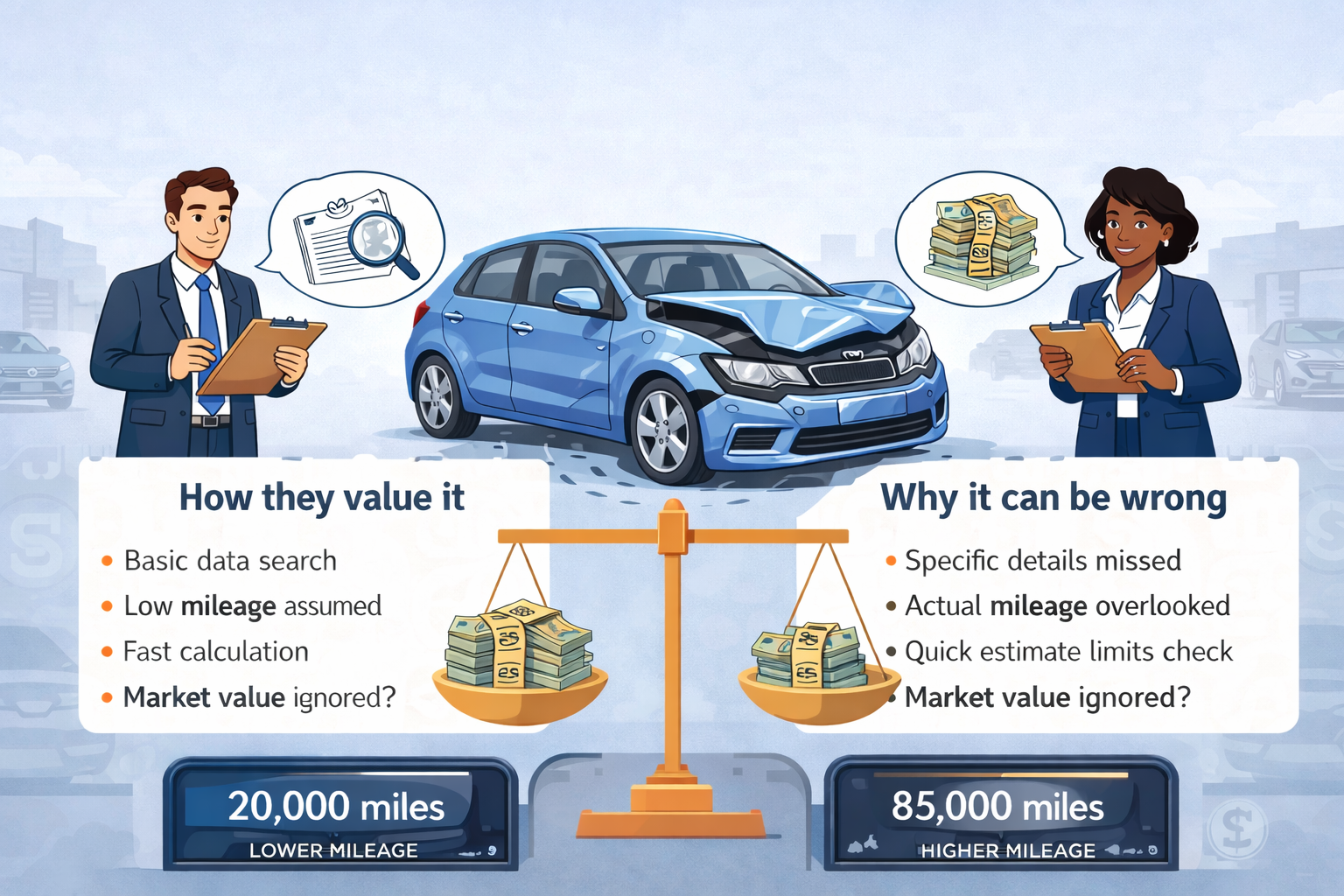
- Valuations rely too heavily on trade guides
- Real market prices are higher
- Vehicle condition or spec is overlooked
👉 Many drivers recover £500 to £3,000+.
Can you challenge after accepting the payout?
Yes — in many cases, you still can.
If you later realise your car was undervalued:
- You can reopen the complaint
- Provide new evidence
- Escalate if needed
👉 Time limits may apply (usually up to 6 years).
Common mistakes to avoid
❌ Accepting the first offer without checking
❌ Using only one comparison vehicle
❌ Not including condition or extras
❌ Giving up after the insurer says no
👉 Many successful claims are only resolved after escalation.
Key takeaway
👉 You don’t have to accept a low insurance payout.
If your car was written off:
- You are entitled to a fair market value
- You can challenge the valuation
- You can escalate your complaint for free
Check if your payout was too low
If your car was written off and your settlement didn’t feel right, you could still be owed money.
✔ No upfront costs
✔ Quick eligibility check
✔ No Win, No Fee
👉 Start your free check today