.svg)


When delays are actually a warning sign
Not all delays are bad — but some can indicate:
- Your valuation is being questioned
- Your case needs more evidence
- Your insurer is relying on weak data
- There may be room to increase your payout
👉 In many cases, delays happen because the first valuation isn’t correct.
Common reasons write-off claims take longer
Valuation disputes
The most common cause of delays.
If your payout is challenged:
- The insurer must reassess the value
- Additional evidence is reviewed
- Negotiations may take place
👉 This is often where payouts increase.
Missing or weak evidence
If your claim lacks:
- Comparable vehicles
- Clear valuation data
👉 The insurer may delay or reject your request.
Back-and-forth with insurers
Without a structured approach:
- Claims can go in circles
- Evidence may be ignored or misunderstood
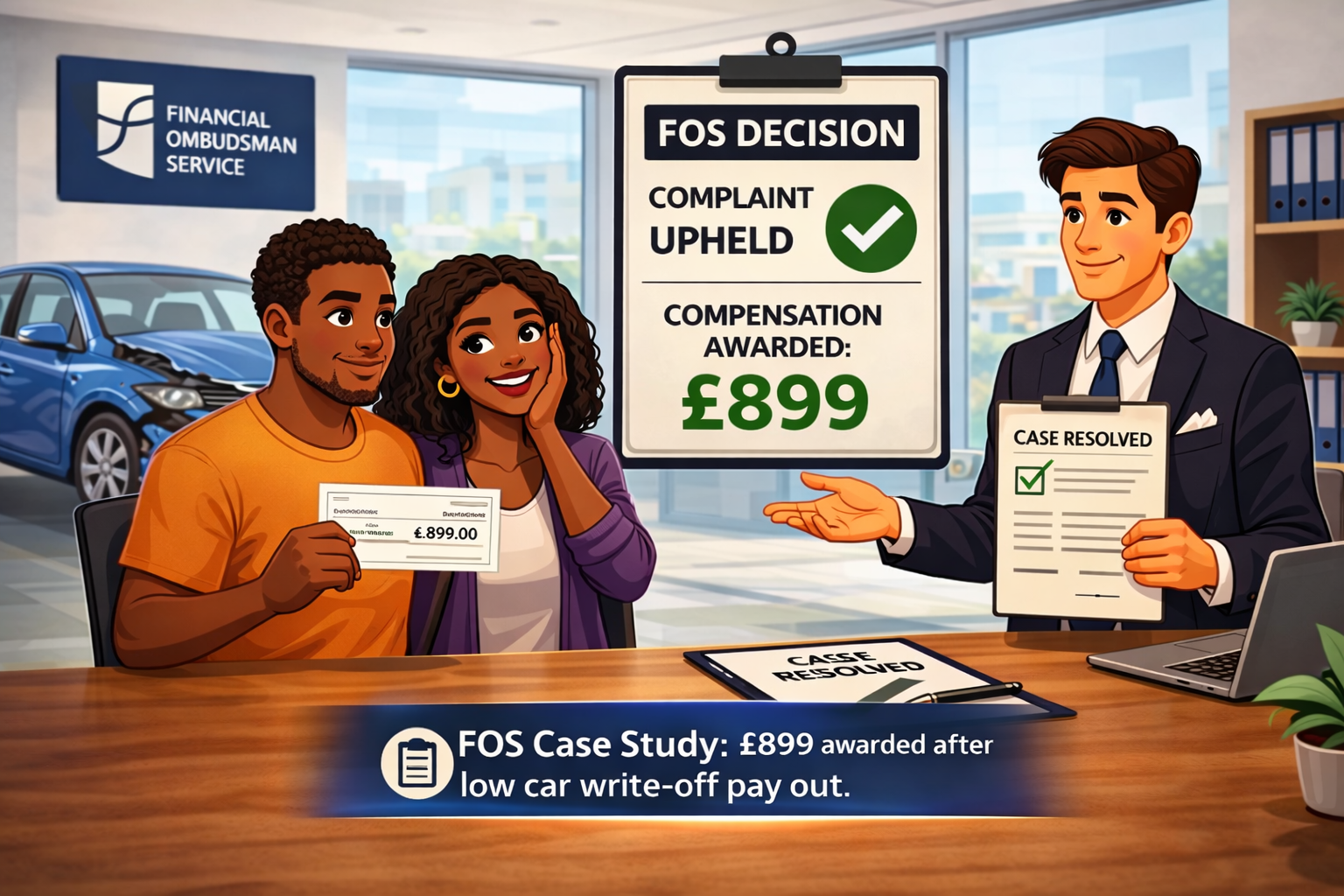
Escalation to the Ombudsman
If your claim reaches the Financial Ombudsman:
- The process takes longer
- But decisions are independent and fair
👉 This is often where the biggest increases happen.
The truth about “quick” claims
Fast claims usually mean one thing:
👉 You accepted the first offer.
But slower claims often mean:
- The valuation is being challenged
- More evidence is being reviewed
- A better outcome is possible
Why delays can actually benefit you
While waiting isn’t ideal, it can lead to:
Higher payouts
Many drivers recover £500–£3,000+ more after challenging
Fairer valuations
Your payout is aligned with real market value
Better outcomes overall
Especially when strong evidence is used
Where delays become a problem
Delays become an issue when:
- Your claim isn’t progressing
- Your insurer isn’t responding properly
- You’re unsure what to do next
- You don’t have the right evidence
👉 This is where many drivers get stuck — and accept less than they’re owed.
How to avoid unnecessary delays
✔ Provide strong evidence early
Include comparable vehicles and clear valuation support
✔ Stay organised
Keep records of all communication
✔ Follow up regularly
Don’t let your claim stall
✔ Escalate when needed
If your insurer delays or rejects your claim, take action
Why many drivers bring in help at this stage
Delays are often the point where people realise:
👉 Handling the claim alone isn’t straightforward.
A claims management company can:
- Identify why your claim is delayed
- Strengthen your evidence
- Handle negotiations with your insurer
- Escalate your case properly
- Keep your claim moving forward
The difference support can make
Without support:
- Delays can lead to frustration
- Claims may stall or be rejected
- You may accept a lower offer
With support:
- Claims are structured properly
- Evidence is stronger
- Outcomes are often improved
- The process is handled for you
👉 For many drivers, this means less stress and better results.
Should you worry if your claim is taking longer?
Not necessarily.
Ask yourself:
- Am I challenging the valuation?
- Have I provided strong evidence?
- Do I understand what’s happening next?
👉 If the answer is no, it may be time to take control of the process.
Key takeaway
👉 Delays don’t always mean something is wrong — they often mean something can be improved.
If your claim is taking longer than expected:
- It may be an opportunity to increase your payout
- The outcome often depends on how the claim is handled
- Getting the right support can make a significant difference
Check if your claim could be worth more
If your car was written off and your claim is delayed — or your payout didn’t feel right — you could still recover more.
✔ No upfront costs
✔ Quick eligibility check
✔ No Win, No Fee
👉 Start your free check today
Important note
You can complain directly to your insurer and refer your case to the Financial Ombudsman Service for free.